
What Is Leicester Famous For? A Practical Visitor Guide
Discover what Leicester is famous for, from Roman remains and Richard III to museums, food and practical tips for planning a visit to the city.

Leicester is famous for its deep history, including Roman and medieval remains, and for the discovery and reburial of King Richard III. Visitors also come for its museums, diverse food, cultural life and football and rugby traditions. The city centre is compact enough to explore on foot, with major historic sites and museums within reach of one another.
A good visit starts with the story that interests you most: Leicester’s Roman foundations, its medieval past or its modern communities. The King Richard III Visitor Centre offers a focused introduction, while nearby landmarks and museums help put the city’s changing identity in context.
Plan around opening times and how much walking you want to do, then leave room to explore beyond the main attractions. This guide explains what makes Leicester distinctive and how to choose a practical first day.
- Leicester is known for Roman and medieval history, Richard III, museums and a diverse modern city life.
- Start at the King Richard III Visitor Centre, then connect nearby landmarks on foot.
- Plan arrival, opening times and transport before building a flexible first-day route.
- Choose museums to match your interests, and allow time to explore New Walk.
A city shaped by many histories
From Roman roots onward
Leicester’s story stretches from the Roman settlement of Ratae Corieltauvorum to a thriving modern city. The Jewry Wall, one of the city’s most striking Roman remains, gives visitors a tangible connection to that early period. Medieval buildings and later industrial growth add further layers, rather than a single story defining the place.
You can see these layers close together in the city centre, where historic sites sit among shops, streets and newer buildings. Leicester Cathedral and the Guildhall help bring the medieval city into view, while local museums give context to objects and archaeological finds. A little background makes a short walk between attractions feel more meaningful.
Leicester’s character also reflects communities that have shaped the city over generations. That influence is visible in its food, festivals and everyday high-street life, as well as in its history. International visitors checking trip costs can consult dolar ve euro kurları for indicative rates before setting a travel budget.
History in the present day
Leicester’s past is easiest to understand when you connect landmarks with the living city around them. The cathedral, historic streets and museums are not isolated attractions; they sit within a busy centre used by residents for work, shopping and events. That contrast helps explain why the city feels both historic and contemporary.
The city’s sporting identity is another part of its wider story, particularly through Leicester City Football Club and Leicester Tigers. Match days can bring a different energy to the centre and affect how busy local transport and hospitality venues feel. If sport is part of your visit, check fixtures before settling on a date.
For a first visit, choose a few places that represent different periods rather than trying to see everything. Pair a historic landmark with a museum or a walk through the centre, then use a meal or café stop to take in the city’s present-day character. This approach gives context without turning the day into a checklist.
Start with Leicester’s story at the King Richard III Visitor Centre
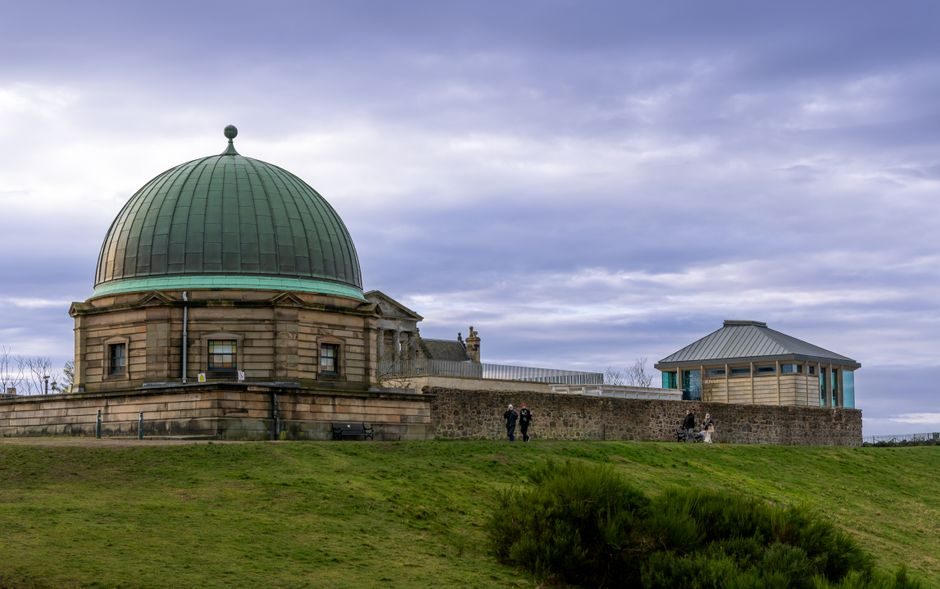
Follow Richard’s Leicester story
The King Richard III Visitor Centre is a practical starting point for understanding one of Leicester’s best-known historical stories. Its focus is the king’s life, death and rediscovery, helping visitors understand why the city became central to renewed interest in his remains. Check current opening information before you travel, as access and schedules can change.
The centre’s location makes it straightforward to continue on foot to nearby historic places. Leicester Cathedral is closely associated with Richard III’s reburial, while the surrounding streets provide a sense of the city centre beyond the exhibits. Seeing both gives the story a physical setting rather than leaving it as a museum narrative.
Give yourself time to read and follow the exhibits instead of treating the visit as a quick stop. If you are travelling with children or have limited time, decide in advance whether you want a focused visit or a broader walk linking the centre with other nearby landmarks. That choice helps keep the day comfortable.
Connect the nearby landmarks
Combine the visitor centre with Leicester Cathedral to see how the city presents Richard III’s story in both interpretive and commemorative settings. The two visits offer different experiences: one explains the historical narrative, while the cathedral provides a quieter place to reflect. Check access arrangements for each venue separately.
The Guildhall is another useful stop for visitors interested in Leicester’s older architecture and civic past. Together, these places make a compact historic route that can be adapted to your pace. Allow time between stops to notice the surrounding streets, rather than moving directly from one interior to the next.
If you have more time, use the city’s museums to widen the picture beyond the medieval period. The aim is not to fit every landmark into one day, but to see how Leicester’s history changes across different places. A simple route with one central theme often makes the visit easier to remember.
- Begin with the visitor centre’s current opening information.
- Walk to the cathedral and check its visitor access.
- Add the Guildhall if historic buildings interest you.
- Leave time for a break between visits.
Plan your arrival and first day
Choose a practical arrival
For many visitors, Leicester railway station is a convenient starting point because it connects directly with the city centre on foot. If you are comparing expected costs in different currencies, döviz kuru çevirme hesaplama can help you make a quick conversion before finalising your travel budget.
- Assuming every attraction is beside the station; check the route and walking time first.
- Planning a full day around unverified opening hours; confirm access before travelling.
- Driving into the centre without a parking plan; choose parking or public transport in advance.
If you arrive by bus or coach, check the current stopping point and onward route before setting off, as services and arrangements can vary. Drivers should plan where to park before reaching the centre, then walk or use local transport for central attractions. These small checks can prevent avoidable delays on arrival.
Choose your first stop based on where you arrive and what time you have, not just on a list of popular sights. A central museum or historic landmark can make a manageable first visit, while a more distant attraction may need a separate journey. Confirm opening times and travel details on the day.
| Option | Best for | Plan ahead |
|---|---|---|
| Walk from the station | Central sights | Check route and walking time |
| Local bus | Trips beyond the centre | Check live service information |
| Drive and park | Flexible arrival | Choose parking before setting out |
Build a first-day route
A first day works best when you group central attractions and avoid crossing the city repeatedly. Start with one major visit, add a nearby landmark, and leave a flexible break for food or rest. Leicester’s city centre has a range of options, so you do not need to plan every stop in detail.
Walking suits many central routes, but allow for different paces and weather, especially if you are travelling with children or carrying bags. Local buses can help when you want to reach places farther from the centre. Check live service information rather than relying on an old timetable or assumed route.
Keep one optional stop in reserve in case a venue is busy or the weather changes. The National Space Centre, for example, is a distinct attraction beyond the core historic walk, so check its location and plan transport separately. A flexible itinerary makes it easier to enjoy the city without rushing.
- Group nearby city-centre attractions.
- Check opening times and travel updates.
- Plan transport separately for farther-out sights.
- Keep one optional stop for flexibility.
Leicester Museum and Art Gallery on New Walk is a strong choice if you want art and collections under one roof.
Explore the city’s museums and galleries
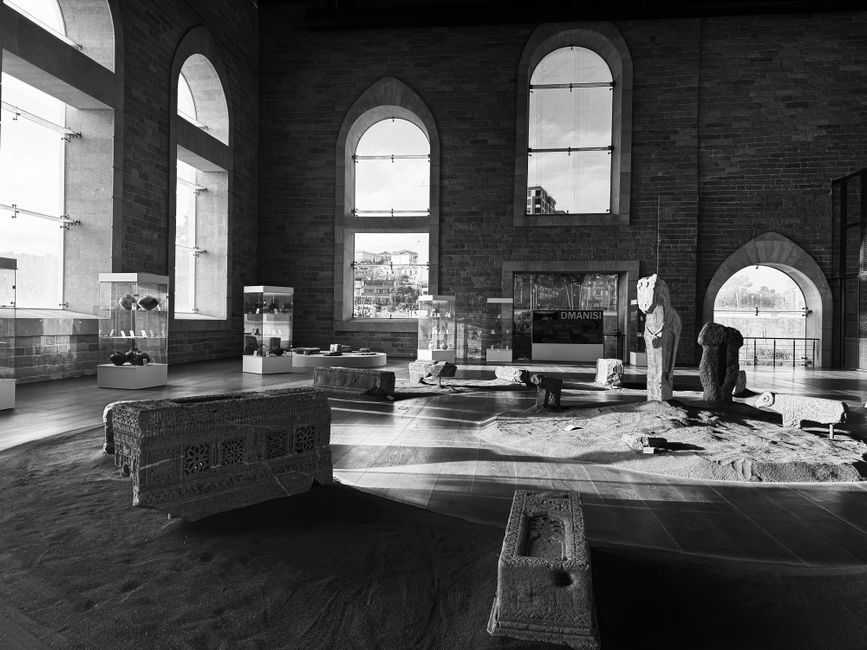
Choose a museum by interest
Leicester Museum and Art Gallery on New Walk is a strong choice if you want art and collections under one roof. Its displays cover different subjects, so check the current programme and galleries before visiting to decide how much time to allow. New Walk itself offers a pleasant approach from the city centre.
- Choose New Walk for art and museum collections.
- Visit the Guildhall for historic interiors and civic history.
- Plan the National Space Centre as a separate outing.
The Guildhall suits visitors drawn to historic interiors and Leicester’s civic past, while the National Space Centre offers a very different focus on space and science. These attractions serve different interests, so choose according to your group rather than trying to treat them as interchangeable. Check visitor information before setting out.
Some visitors will prefer one substantial museum visit; others may enjoy a shorter gallery stop combined with a walk. Think about the age and interests of everyone in your party, along with how much time you have. A clear choice makes the day more satisfying than rushing through several places.
Make time for New Walk
New Walk links the city centre with Leicester Museum and Art Gallery and makes the journey part of the visit. The pedestrian route offers a change of pace from busy shopping streets, and it is an easy way to approach the museum on foot. Check current access information before you go.
Once inside, choose a few displays that interest you instead of trying to see everything. Museums can be more enjoyable when you pause to read labels and look closely at individual works or objects. If a temporary exhibition is on, check whether it needs separate planning or has different visitor arrangements.
After your visit, use New Walk as a route back towards the centre or as a calm break between busier stops. Pairing the museum with lunch or another nearby activity can make a practical half-day plan. Keep your schedule flexible, since the time needed depends on the galleries and displays you choose.
- Check the museum’s current visitor information.
- Choose displays that match your interests.
- Allow time for a relaxed walk along New Walk.
Choose a route that suits your time
A focused city-centre walk
For a short visit, keep your plans close to the city centre and choose a few places that connect naturally on foot. Leicester Cathedral, the King Richard III Visitor Centre and the Guildhall give a strong introduction to the city’s history without requiring a complicated journey. Check opening information before setting out, then leave time to pause between visits.
- Choose one main interest, such as medieval history or local culture.
- Check current opening information for the places you want to visit.
- Group nearby attractions together to reduce backtracking.
- Leave a break for food, rest or an unexpected stop.
The Cathedral and Guildhall area works well for visitors interested in Leicester’s medieval past and older streets. The King Richard III Visitor Centre adds context to the discovery of the king’s remains, while nearby public spaces offer a chance to rest. Going at a steady pace makes it easier to absorb the story rather than rushing between stops.
Use this simple order to keep a compact visit manageable: start with the history that matters most to you, then add one nearby attraction. If you have extra time, stop for lunch or look around the city centre instead of squeezing in another distant venue. A flexible route is more useful than a list that leaves no room for delays.
Add a wider city outing
With more time, pair the central sights with a destination beyond the immediate historic core. The National Space Centre offers a different side of Leicester, with exhibits focused on space and science, while Abbey Park provides open space and historic remains. Check travel options and opening details before deciding which one fits your day.
A wider outing works best when you treat travel as part of the plan rather than an afterthought. Look up the route from your starting point, allow time for the return journey and check whether your chosen attraction needs more than a quick look. This is especially helpful for families, whose pace and breaks can make a full day feel shorter.
If your interests are mixed, choose one substantial attraction and leave the rest of the day open for the centre. That gives you room to change plans if the weather shifts or you find somewhere you want to explore longer. Leicester’s attractions are not all in one cluster, so a little selectivity makes the visit calmer.
Make room for Leicester’s food and drink

Taste the city’s variety
Give yourself time to eat in Leicester rather than treating meals as gaps between attractions. The city is known for a varied food scene, including South Asian cooking, and Belgrave Road is a familiar place to explore restaurants and cafés. Check individual menus and opening information, since choices and service times vary between venues.
Belgrave Road can be a good fit when you want a meal to be part of the outing, not just a quick stop. Look at menus before travelling if you have dietary needs or are visiting with a group, and make a reservation where a restaurant recommends one. That small check can help avoid searching for a suitable table when everyone is hungry.
In the city centre, take a similar approach: choose a place that matches your route and the kind of break you need. A sit-down meal gives you time to recharge, while a lighter option can leave more of the day for sightseeing. Visitors travelling from Turkey may find dolar kaç TL useful when estimating the value of money they plan to exchange.
Plan meals around your day
Match your meal location to the attractions you are visiting so that lunch does not add an unnecessary detour. If you are spending time around the centre, look for options nearby; if Belgrave Road is part of your plan, build the journey into your schedule. Confirm venue hours directly before you set off.
Families and groups may find it easier to agree on a broad area and a few possible choices before the day begins. That avoids having to settle every preference while walking, and gives you a backup if a place is busy. Check menus in advance for allergies, vegetarian choices or other requirements rather than assuming every venue will suit everyone.
Leicester’s food can also be a way to connect different parts of a visit: pause for a meal after a museum, or make an evening meal the reason to explore a neighbourhood. Keep plans realistic by allowing time to travel and eat at a comfortable pace. A meal that fits the day is more rewarding than one squeezed between appointments.
- Check menus for dietary requirements before you travel.
- Choose a dining area near your planned attractions.
- Keep a backup option in case your first choice is busy.
- Allow enough time to travel, order and eat.
Avoid common planning pitfalls
Check details before travelling
Confirm opening times and visitor arrangements for each attraction on the day’s itinerary before you leave. Museums and historic sites may have different schedules or temporary changes, and relying on a remembered timetable can waste a journey. Use the venue’s own current information, especially if you are travelling a long way or have limited time in Leicester.
Do not assume that every point of interest is a few minutes’ walk from the next. Leicester’s central sights can be combined on foot, but destinations such as the National Space Centre need separate travel planning. Check the route, allow for the return trip and consider how much time you want to spend at the attraction itself.
Build a little flexibility into the day, particularly if you are visiting with children or coordinating a group. A delayed meal, a slower museum visit or a change in weather can alter the schedule. Keeping one optional stop rather than several fixed commitments makes it easier to enjoy what is available without feeling behind.
Keep expectations realistic
Trying to see every attraction in one day can turn a visit into a checklist. Pick the places that best answer your own question about Leicester, whether that means medieval history, science, green space or food. A smaller number of well-chosen stops gives you time to read displays, take breaks and notice the city around you.
Plan for the practical needs of your group, not just the distance on a map. Walking speed, mobility, weather and time spent indoors can all affect how much fits comfortably. If anyone needs step-free access or other visitor support, check the venue’s information ahead of time rather than assuming facilities are the same everywhere.
Keep a backup plan that does not depend on a particular attraction being available. You might choose a nearby café, a walk through a public space or extra time at another venue already on your route. This approach is especially useful when travel arrangements are tight, because it gives the day a workable alternative without adding a long detour.
Get more from your visit
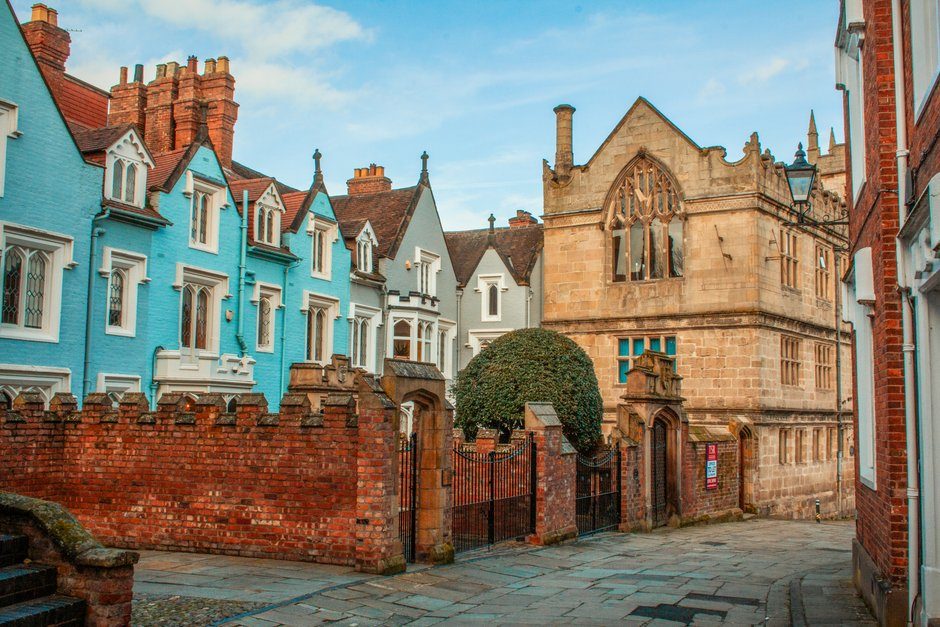
Look beyond the headline sights
Make a visit more rewarding by connecting Leicester’s best-known stories with the places where they are told. After exploring the city’s medieval history, notice how the Cathedral, Guildhall and surrounding streets give the story a physical setting. Taking a moment to compare what you have learned with the buildings nearby can make the past easier to picture.
Allow time to explore at street level instead of moving directly from one indoor attraction to another. Look for public spaces, historic architecture and details that help you understand how the city centre fits together. If something catches your interest, pause and check a reliable local information source rather than relying on a quick guess about its history.
A good visit does not need to cover every famous name or landmark. Choose a theme, such as Leicester’s history, local culture or family attractions, and use it to decide what deserves your time. That focus helps you remember more and gives you a clearer sense of what makes the city distinctive.
Leave room for discoveries
Keep some space in your schedule for a stop you did not plan in advance. A display may take longer than expected, a café may invite a break or a nearby street may lead you to an interesting view of the city. Leaving that margin prevents a small change from disrupting the rest of your day.
At the end of each visit, take a moment to decide whether you still want to follow the original plan. If you have already had a full museum visit, an additional indoor attraction may feel repetitive; a walk or meal could make a better next choice. Let the energy of your group guide the decision, not simply the number of places on a list.
Before you head home, check your route back and allow enough time to reach your transport. Keep any key travel details accessible, and make sure your final stop does not leave you rushing across town. A calm finish is part of a successful visit, especially after a day that has included several different parts of Leicester.
- Leave a flexible break between major stops.
- Choose the next activity based on your group’s energy.
- Check the return journey before starting your final visit.
Frequently asked questions
What is Leicester best known for?Leicester is widely associated with its long history, the discovery of the remains of King Richard III, and a varied, multicultural food scene. The city also offers attractions such as the National Space Centre and a lively cultural life. Which part stands out most depends on your interests, so a visit can combine historic sites with museums, food or green space.
Can you explore Leicester on foot?Many central attractions can be visited on foot, including historic sites around Leicester Cathedral and the Guildhall. However, not every major attraction sits within the same compact area, so check the journey before adding places such as the National Space Centre to a walking itinerary. A city-centre walking route works best when you group nearby stops and leave time for breaks.
Is Leicester a good destination for families?Leicester has options for different ages, including museums, historic places and the National Space Centre, which focuses on space and science. Families should check attraction information in advance, including opening arrangements and accessibility, then choose a realistic number of stops. Planning food and rest breaks around the day can make visits more comfortable for children and adults alike.
How much time should I allow for Leicester?A short visit can cover a small group of city-centre sights, while a fuller day gives you more room for a museum or an attraction outside the centre. There is no single schedule that suits every visitor: time depends on how long you spend at each venue, your travel arrangements and whether you want to include a meal or a relaxed walk.
Make Leicester your own
Leicester is easiest to appreciate when you choose a few places that reflect what interests you, rather than trying to cover the whole city in one trip. Its historic landmarks, museums, food and family attractions offer different ways into the city’s character. Check current visitor details, group nearby stops and allow time for meals and travel, especially when your plans extend beyond the centre.
Before setting out, pick one main focus and build a practical route around it: perhaps the medieval story, a museum visit or a meal in a neighbourhood you want to explore. Confirm opening information and travel arrangements, then leave a little room to adjust. That balance gives you a clear plan without closing off the unexpected discoveries that make a visit feel personal.
Add Leicester Now as a preferred source on Google


