
How to Plan a Community Event in Leicester
Plan a Leicester community event with practical guidance on choosing a venue, checking permissions, making the event accessible and setting a workable budget.

To organise a community event in Leicester, first decide who it is for and what you want people to do, then choose a suitable venue and date. Check requirements with the venue and relevant local authority before committing, and plan for access, safety, costs and promotion. A clear plan helps your group make decisions before spending money.
Think about the audience’s neighbourhood, travel options and needs before choosing a location. A small gathering for local families may call for different facilities from a public performance or a community information day.
Use the guide below to work through the early decisions in order. Confirm practical details directly with venue staff and the relevant council team, since requirements can depend on the site and the event.
- Define the event’s purpose and audience before choosing activities or a date.
- Compare Leicester venues for capacity, facilities, access and travel.
- Confirm permissions and responsibilities with the venue and relevant local authority.
- Track confirmed costs, estimates, funding and spending decisions.
Start with the event and its audience
Define the purpose first
Write one sentence describing what the event should achieve, such as bringing neighbours together or sharing information about a local service. This makes it easier to judge whether an activity, venue or expense belongs in the plan. If the purpose is unclear, the programme can grow in several directions and become harder to organise.
- ☐ Write down the event’s main purpose.
- ☐ Identify the people you want to reach.
- ☐ Choose activities that suit the audience.
- ☐ Assign a lead for each planning task.
Choose a format that fits the aim and the group’s capacity. A discussion, family activity, performance or community fair each needs different equipment, staffing and time. For a first event, a shorter programme with a few well-defined activities is often easier to manage than a packed schedule with multiple stages.
Agree what a successful day would look like before making arrangements. Your group might want attendees to meet local organisations, take part in an activity or hear a short presentation. Keep that outcome specific enough to guide decisions, but flexible enough to account for the number of people who actually attend.
- State the event’s purpose in one sentence.
- Choose a format your group can deliver.
- Decide what attendees should be able to do.
- Name one person to coordinate each task.
Understand who will attend
Describe your likely audience in practical terms: for example, nearby residents, families with young children, students or older people. Their needs affect the timing, facilities and way you share information. Ask people from the community what would make attendance easier rather than relying on assumptions about what they want.
Consider how people will reach the event from different parts of Leicester. A central location may suit a city-wide gathering, while a neighbourhood venue can be more convenient for nearby residents. Check public transport, walking routes and parking information before settling on a place or publishing directions.
Estimate attendance using what your group knows, such as interest expressed by partner organisations or responses to an initial invitation. Treat that estimate as a planning guide, not a promise. It can help you discuss room capacity, staffing and supplies with the venue without overstating likely demand.
Choose a suitable Leicester venue
Match the space to activities
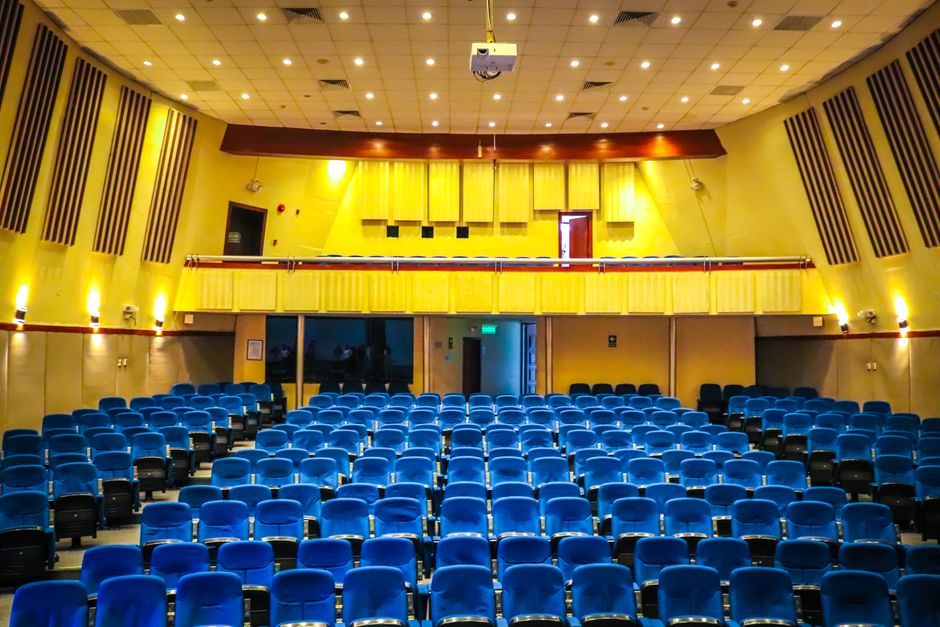
Choose a venue whose layout supports the activities, rather than selecting a room by appearance alone. A talk needs clear sightlines and suitable seating; a hands-on session may need tables, room to move and access to water. Ask the venue what furniture and equipment are included before planning around them.
- List the activities and facilities the event needs.
- Contact venues that appear suitable for the audience.
- Ask each venue about capacity, access and included equipment.
- Compare the answers before making a booking.
Check the room’s permitted capacity and whether it can accommodate everyone comfortably, including volunteers and performers. Ask about toilets, changing facilities, storage and a quiet area if these matter to your audience. A venue’s own staff can explain which rooms and facilities are available for your intended use.
When weighing up Leicester venues, compare how easy each is to reach with its practical fit. A well-located room may still be unsuitable if it cannot support the programme or audience. For a campaign that needs contextual links as well as publicity, a guest posting service may be worth considering.
- Ask about room capacity and layout.
- Confirm what furniture and equipment are provided.
- Check toilets, storage and other facilities.
- Find out when organisers can access the space.
Check access and travel
Look at the journey from a visitor’s point of view, including the approach to the entrance and movement inside the building. Ask about step-free access, lifts, accessible toilets and seating arrangements. Do not assume that a venue is accessible simply because it is a public building; confirm details with staff.
Think about how attendees may travel from across Leicester, including people using buses, trains, bicycles or cars. Check current transport information when choosing the date and when preparing event directions. Make the information clear, and avoid promising parking or transport facilities that the venue has not confirmed.
If you expect families, older attendees or people with particular access needs, ask what adjustments are possible early. The venue may have useful information about entrances, room setup or assistance, but organisers should verify what applies to their booking. Include a way for people to raise access questions before they arrive.
Check permissions and practical requirements
Confirm who must approve
Before announcing an event, ask the venue and relevant local authority which permissions or approvals apply to your plans. Requirements can differ depending on the location, activities and whether the event is open to the public. Describe what you intend to do, rather than asking only for a general event checklist.
Set out the essential details when you make enquiries: the proposed location, date, expected attendance, activities and any equipment or structures. If you are seeking professional support with promotion, an seo agency directory can help you find agencies to assess. Keep the event’s permissions process separate from any publicity arrangements.
Do not treat a previous event’s arrangements as proof that the same rules apply to yours. A change of venue, programme or operating details may affect what needs checking. Keep written notes of guidance from the venue and authority, including who gave it and what plan it covered.
- Describe the planned activities clearly.
- Ask the venue what its booking requires.
- Check with the relevant local authority.
- Keep written records of answers and approvals.
| Planning question | Who to ask | What to confirm |
|---|---|---|
| Venue use | Venue staff | Booking conditions and room capacity |
| Local approvals | Relevant local authority | Requirements for the planned location and activities |
| Safety arrangements | Venue staff and event leads | Responsibilities, access and emergency procedures |
| Public activities | Venue staff and relevant authority | Whether the proposed programme needs further approval |
Plan safety and access
Discuss safety arrangements with the venue and identify who will handle concerns on the day. Consider entrances and exits, first-aid arrangements, crowd movement and what volunteers should do if an issue arises. The right plan depends on the event and site, so confirm responsibilities rather than assuming venue staff will cover every task.
Make accessibility part of the practical plan, not a last-minute addition. Check whether people can enter and move around the space, use suitable toilets and take part in the activities. If an adjustment cannot be provided, explain that clearly in advance and consider whether another venue would better serve the intended audience.
Write down the main arrangements and share them with the people delivering the event. Brief volunteers on their roles, where to direct questions and how to contact the event lead. Recheck the plan if the venue, programme or expected attendance changes, and ask the relevant parties whether further approval is needed.
Start a budget by listing the costs your plan may create, then ask suppliers and the venue to confirm what applies.
Build a realistic budget

List likely costs early
Start a budget by listing the costs your plan may create, then ask suppliers and the venue to confirm what applies. Possible items include room hire, equipment, materials, travel support, printing and cleaning. Separate confirmed costs from estimates so the group can see which decisions still depend on further information.
Check what the venue includes before paying separately for equipment or services. A room may provide tables or chairs, while other items could need arranging independently. Ask about any conditions attached to the booking and what happens if the event changes, so those details are reflected in the budget.
Match planned spending to the event’s purpose and audience. For example, access arrangements or essential activity materials may matter more than decorative extras. If the group is working with an outside communications provider, white label press release distribution may be relevant when arranging wider coverage.
- Separate confirmed costs from estimates.
- Ask what the venue booking includes.
- Prioritise access and essential activities.
- Record who approved each expense.
Track funding and decisions
Record where the event’s money will come from and when it will be available. If a contribution or grant is not confirmed, do not treat it as guaranteed income. This distinction helps the group decide which commitments are safe and what can be reduced if expected support does not arrive.
Give one person responsibility for maintaining the budget, while keeping spending decisions visible to the group. Use a simple record showing the amount, purpose, approval and whether it has been paid. Reviewing it regularly makes it easier to spot a shortfall before it affects essential arrangements.
Set aside room for costs that become clear only as details are confirmed, without inventing a figure the group cannot support. Review the plan after speaking with the venue and any suppliers. If the likely total exceeds available funds, adjust the scale or format before making further commitments.
Make the event accessible and safe
Plan access from arrival
Check the whole journey into the venue, not just the room where the event takes place. Ask about step-free entrances, accessible toilets, door widths, seating and nearby drop-off points, then confirm these arrangements with the venue. If people will arrive by bus or train, share practical route information and allow time for safe movement.
- Mistake: assuming the main entrance is accessible; instead, confirm the route and entrance with the venue.
- Mistake: describing access with vague promises; instead, give verified details about facilities and surfaces.
- Mistake: leaving adjustments until event day; instead, invite requests early and agree who will respond.
Make access information easy to find before people decide whether to attend. State which entrances are step-free, whether seating can be reserved and whom to contact about adjustments; avoid promising facilities you have not checked. For an outdoor event, explain the ground conditions and whether paths may become difficult in wet weather.
Consider different communication needs as well as physical access. Use clear wording on signs and event notices, provide a quiet place if the venue allows it, and check whether a microphone or hearing support is available. Ask participants about access requirements in advance, while keeping personal information private and sharing it only with those who need it.
- Confirm step-free entry and toilet access.
- Check seating, lighting and sound arrangements.
- Publish a contact for access questions.
- Describe outdoor paths and surfaces clearly.
Set proportionate safety measures
Match safety planning to the activity, venue and expected attendance. Walk through the space with the venue contact, identify exits and first-aid arrangements, and consider hazards such as cables, hot food, crowded doorways or uneven ground. Record who is responsible for each measure so volunteers know whom to tell if something changes.
Keep emergency information usable rather than buried in a long document. Brief stewards on how to raise an alarm, where attendees should gather if they must leave, and how to contact the designated lead. For events involving children or vulnerable adults, agree supervision and safeguarding procedures with the venue and relevant organisations.
Do not assume that a familiar community venue has already covered every event-specific risk. Ask what the venue provides and what organisers must arrange, including first aid, fire procedures and any limits on room capacity. Check requirements with the relevant local authority and venue before confirming arrangements, particularly if the event uses public space.
Spread the word through local channels
Reach neighbourhood audiences
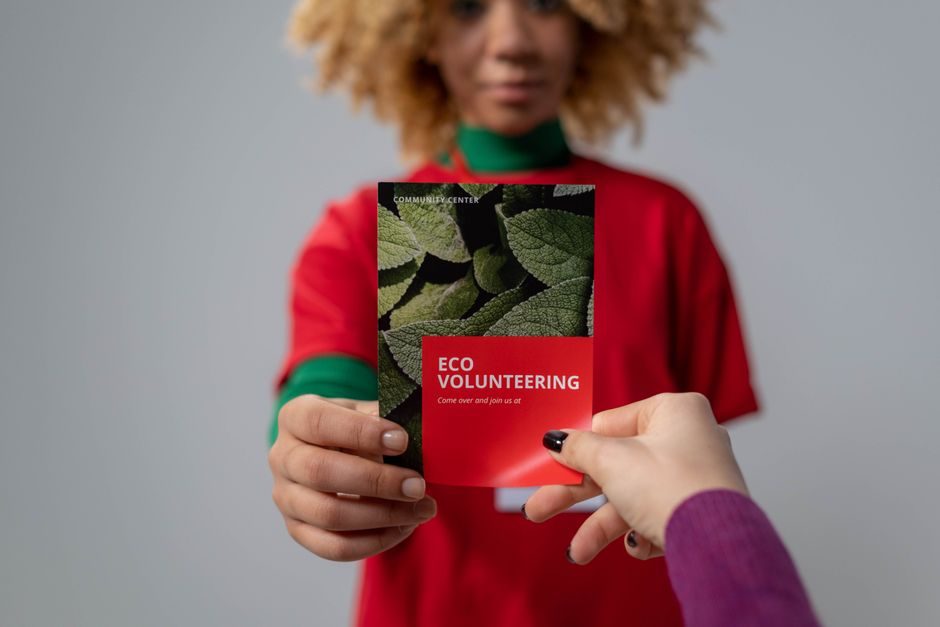
Choose promotion channels that match the people you want to reach in Leicester. A residents’ association, community centre, school noticeboard or local social media group may be more useful than posting everywhere. Ask administrators before sharing, and tailor each notice with the event’s location, date, access details and a clear way to register or ask questions.
- Use channels trusted by the neighbourhood you hope to reach.
- Give partners accurate, ready-to-share event information.
- Keep direct community outreach central to promotion.
Give local partners a ready-to-use announcement rather than asking them to write one. Provide a short description, a square image or printable poster, and the exact event details they can share. Make sure every version uses the same timings and venue information, and update partners promptly if anything changes.
If you need to share an important event announcement beyond your own channels, press release distribution uk is one option to consider. First decide what is genuinely newsworthy for local readers, such as a community-led activity or a public benefit, and prepare accurate details for any outlet that may be interested. Do not treat distribution as a substitute for direct neighbourhood outreach.
- Ask local groups before posting in their channels.
- Provide partners with consistent, ready-to-share details.
- Include access information and a contact method.
- Update notices if arrangements change.
Make every notice clear
A useful event notice answers the basic questions at a glance: what is happening, who it is for, where and when it takes place, and whether people need to book. Add any admission conditions and explain how to request access adjustments. Put the most important information first so readers do not have to search through promotional wording.
Use a simple image with readable text, especially for posters shared on phones or printed for community spaces. Include a short web address or contact route that works, and check spelling, dates and location details before circulation. If space is limited, direct readers to a page with fuller transport, access and booking information.
Promotion should reflect the event’s actual capacity and purpose. If places are limited, explain how booking works and whether a waiting list is available; if attendance is open, say so plainly. Avoid collecting personal details you do not need, and make clear how people can ask questions without having to post publicly.
Prepare for problems on the day
Give volunteers clear roles
Brief volunteers before doors open, with each person assigned a clear task and a named lead to contact. Explain who welcomes attendees, checks bookings, supports access needs and handles questions; avoid relying on everyone to notice problems independently. For organisers comparing ways to reach relevant outlets, MediaKit.uk can be a resource to explore.
Walk stewards through the venue together and point out exits, toilets, first-aid arrangements and any restricted areas. Agree how they will communicate if someone needs help, including what to do if mobile reception is poor. Keep a simple contact sheet available to the team, but do not display personal details where attendees can see them.
Set a brief check-in before the event begins and another point during the activity. Volunteers can flag low supplies, queues, confusing signs or access difficulties before these become larger problems. Make sure each person knows when they can take a break and who covers their role, especially if the event runs for several hours.
- Assign each volunteer one clear responsibility.
- Show the team exits and key facilities.
- Agree a simple way to raise concerns.
- Arrange breaks and cover in advance.
Keep a response plan ready
Prepare for the disruptions most plausible for your event rather than trying to predict every possibility. Decide what you will do if a speaker is delayed, equipment fails, attendance exceeds expectations or poor weather affects an outdoor activity. Write down who can make changes and how attendees will be told, then keep that plan accessible to the organising team.
Check essential equipment before the event starts, including microphones, presentation materials, extension leads and any booking list. Keep spare basics such as pens, tape and printed directions with the event lead. If something cannot be fixed quickly, have a practical alternative ready, such as moving a discussion to a quieter room or changing its order.
When a problem affects attendees, give clear information promptly and calmly. Tell people what has changed, what they should do next and where to get help; do not speculate about causes or offer assurances you cannot support. Record significant incidents after the immediate situation is managed, following the venue’s reporting process and any relevant safeguarding procedures.
Review what worked and plan what comes next

Gather useful feedback
Collect feedback while the event is still fresh, using a short form, a conversation or a note from partner organisations. Ask what people found useful, what made attendance difficult and what they would change next time. If your event needs broader online visibility, you could look into whether you can buy guest posts online on suitable sites.
Invite responses from people who may not speak up in a group, including volunteers and attendees with access needs. Offer a private way to share concerns and avoid asking for more personal information than you need. Keep comments separate from identifiable details where possible, and explain how you will use the feedback.
Compare comments with the event’s original aims rather than judging success by turnout alone. A small gathering may have achieved its purpose if it connected neighbours or provided a useful service. Review practical evidence too, such as whether the schedule ran on time, materials lasted and people could find the venue and facilities.
- Ask what helped and what created barriers.
- Offer a private route for sensitive feedback.
- Compare results with the event’s stated purpose.
- Include volunteers and delivery partners.
Turn lessons into next steps
Hold a short review with the organising team soon after the event, while decisions and snags are easy to recall. Note what to repeat, what to change and who will follow up on outstanding tasks, such as returning borrowed equipment or settling venue matters. Keep the record concise enough that someone planning the next activity can use it.
Thank volunteers, venue staff and community partners, and share a brief account of the outcome with participants where appropriate. Be candid about changes or difficulties rather than presenting an unrealistically polished picture. If you plan another event, ask supporters what would make it more useful and whether they are willing to help again.
Use the review to make the next plan more realistic, not simply larger. Adjust the format, timing, staffing or promotion based on what people experienced, and check whether the venue and permissions still suit the revised idea. Agree one clear next action, such as arranging a planning meeting or confirming interest, before the group disperses.
Frequently asked questions
How early should I begin organising a community event?Start as soon as you have a workable idea, because venue availability, permissions and partner involvement can take time to confirm. The lead time depends on the scale, location and activities, so there is no single timetable for every Leicester event. Before announcing anything, make sure the venue, date and essential requirements are sufficiently settled to give the public accurate information.
Who should I contact about using a Leicester park or public space?Check with the relevant local authority before treating a public space as an event venue. Explain what you plan to do, where, when and what facilities or equipment you may need, then ask which permissions and conditions apply. Requirements can depend on the location and activity, so confirm them directly rather than relying on another organiser’s experience.
What should an event organiser include in an access statement?Give practical, verified details that help someone decide whether they can attend: the entrance route, step-free access, toilets, seating, likely ground conditions and how to request adjustments. Mention any limitations plainly and provide a contact route for questions. Check the information with the venue before publishing, and update it if arrangements change.
How can a small group promote an event without a large budget?Focus on channels that already connect with the intended audience, such as community groups, local noticeboards and partner organisations. Supply a clear, accurate notice that others can share, and ask partners to circulate it through their usual channels. Include booking, access and contact information so interested residents can act without needing to search for essential details.
Make your next Leicester event easier to deliver
A well-run community event depends on decisions that are clear before the day: a suitable space, confirmed requirements, accessible information and named responsibilities. Promotion works best when local partners can share accurate details, while a simple response plan helps volunteers deal with changes calmly. Afterward, feedback and a short team review turn practical experience into a better foundation for the next gathering.
Your next step is to write a one-page event outline covering its purpose, intended audience, preferred venue, access needs and the person responsible for each task. Use that outline to speak with the venue and the relevant local authority before making public promises. Once the essentials are confirmed, invite local partners to help shape an event that fits Leicester residents’ needs.
Add Leicester Now as a preferred source on Google
